
As we age, the world can sometimes feel like it is shrinking. Friends move away, mobility becomes a challenge, and the quiet of a home can start to feel heavy with isolation.
You see your loved one sitting in their favorite chair, and while they are safe, that spark of joy seems a little dimmer than it used to be. You want them to feel connected and vibrant, but traditional care routines often focus only on the clinical side of health—pills, appointments, and vitals.
The solution might just have four legs and a wagging tail.
Pet therapy, or animal-assisted therapy (AAT), is a scientifically backed intervention that brings life, laughter, and literal healing into the home care environment. Here is why pet therapy is becoming the gold standard for holistic senior wellness.
Pet therapy isn’t just about playing with a cute dog. It is a structured interaction between a senior and a trained animal, guided by a professional caregiver or therapist.
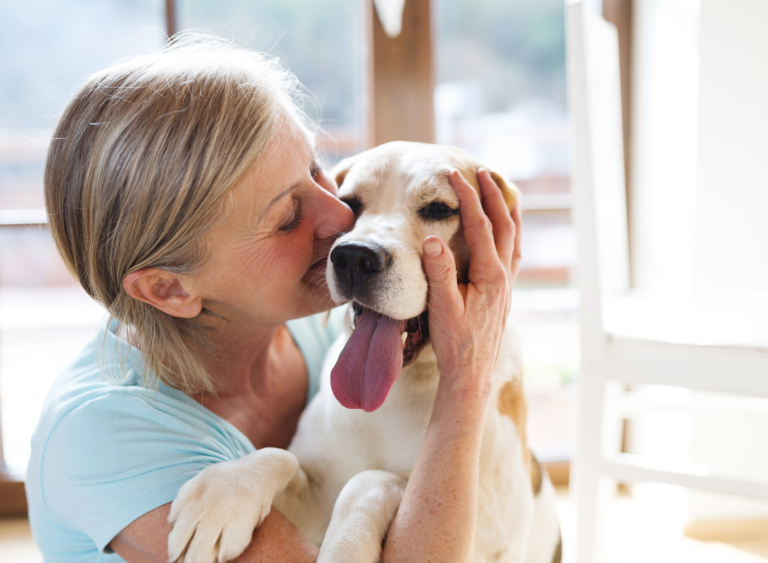
In a home care setting, this therapy bridges the gap between medical necessity and emotional fulfillment. Whether it’s a golden retriever, a calm tabby cat, or even a chirping bird, these animals provide a unique form of unconditional companionship.
For seniors facing the challenges of aging in place, an animal offers a non-judgmental presence. They don’t care if you repeat the same story or move a little slower; they only care that you are there.
The emotional impact of an animal is immediate. Science shows that just 15 minutes of bonding with an animal sets off a chemical chain reaction in the brain.
Interacting with animals is proven to lower cortisol, the body’s primary stress hormone. For a senior struggling with the frustrations of memory loss or physical decline, the simple act of stroking a pet’s fur can induce a state of relaxation.
According to Johns Hopkins Medicine, the pet effect can significantly lower blood pressure and improve heart health by reducing systemic anxiety.
Isolation is a significant risk factor for seniors. Pets provide a sense of purpose. When a senior has a pet to feed, brush, or talk to, they are no longer just a “patient”—they are a provider.
For those living with Alzheimer’s or other forms of dementia, verbal communication can become difficult. Animals communicate through touch and energy, bypassing the need for language. This can reduce sundowning behaviors and agitation in the evening hours.
While the emotional perks are obvious, the physical benefits of pet therapy in home care are equally impressive.
It is often hard to motivate a senior to do physical therapy exercises. However, it is very easy to motivate them to throw a ball for a dog or reach out to brush a cat.
The American Heart Association has linked pet ownership and therapy to a reduced risk of heart disease. The calming presence of an animal lowers the heart rate, while the routine activity keeps the circulatory system engaged.
Integrating an animal into a care plan requires more than just bringing a puppy over. To see real results, it must be intentional and safe.
Not every pet is a therapy pet. For seniors, the animal’s temperament is everything. You want an animal that is:
If your loved one cannot care for a full-time pet, consider these alternatives:
A professional home caregiver plays a vital role. They can assist with:
Before starting, always consult with the primary care physician. It is important to consider:
Pet therapy is more than just a nice-to-have activity; it is a powerful tool in the home care arsenal. By addressing the soul as well as the body, we can help our seniors live lives filled with companionship, dignity, and joy.
The bond between a human and an animal is one of the oldest medicines in the world. In the quiet moments of a home care afternoon, that bond can be the difference between simply surviving and truly thriving.