
We all want to believe we have more time. However, for many families, the reality of a terminal diagnosis or the natural decline of a senior loved one arrives with a weight of sudden, agonizing decisions. Without a roadmap, these final months can become a blur of medical crises, family disagreements, and the haunting fear that you aren’t doing what your loved one actually wanted.
It is heartbreaking to watch a parent or spouse struggle, but it is even worse to be forced to guess their wishes regarding life support or pain management in the middle of an emergency room panic. The stress of the unknown can fracture even the tightest-knit families.
End-of-life planning in home care is the solution that transforms a season of chaos into a season of peace. By making these choices now, you aren’t just preparing for the end—you are ensuring that your loved one’s final chapter is written with dignity, comfort, and the profound respect they deserve.
For decades, home care meant a physical person visiting for a set number of hours. While the human touch remains irreplaceable, it is now being augmented by a suite of tools that work 24/7.
The National Institute on Aging emphasizes that aging in place is the preferred choice for the vast majority of seniors. Technology is the bridge that makes this preference a sustainable reality.
By integrating smart devices and remote monitoring, we are moving from a reactive model of care—waiting for an emergency to happen—to a proactive model that identifies risks before they become crises.
Most people assume that end-of-life planning is strictly about death. In reality, it is about quality of life. When we talk about planning within a home care environment, we are talking about creating a sanctuary where a senior can remain in familiar surroundings while receiving expert clinical support.
Proactive planning ensures that the care recipient’s voice remains the loudest in the room, even if they eventually lose the ability to speak for themselves. According to the National Institute on Aging, having these conversations early reduces caregiver depression and prevents medicalized deaths that go against a patient’s wishes.
In-home care at the end of life is a specialized field. It isn’t just about assisting with bathing or meals; it is about a holistic approach to the human experience. To do this effectively, we must look at the two primary clinical pathways: Palliative Care and Hospice.
Many people confuse palliative care with hospice, but they are distinct services. Palliative care focuses on providing relief from the symptoms and stress of a serious illness. It is appropriate at any age and any stage of a disease.
In a home care setting, palliative care works alongside curative treatments. It’s about layering support. For example, a senior undergoing aggressive treatment for heart failure can still receive palliative care to manage the exhaustion and anxiety associated with the condition.
When curative treatments are no longer an option or no longer desired, the focus shifts to Hospice Care. This is a specific type of palliative care for those with a life expectancy of six months or less. Hospice at home allows for a natural death, focusing entirely on comfort and quality of life rather than life-prolonging interventions.
Fear of pain is often the greatest concern for seniors facing the end of life. A high-quality home care plan must prioritize pain management as a non-negotiable human right.
Modern medicine offers a variety of ways to manage pain without necessarily leaving a patient drugged or unresponsive. The goal is the lowest effective dose to maintain lucidity while eliminating distress.
Pain isn’t always physical. The total pain concept—a term pioneered by Dame Cicely Saunders—includes the psychological and social distress that accompanies dying. Addressing this requires:
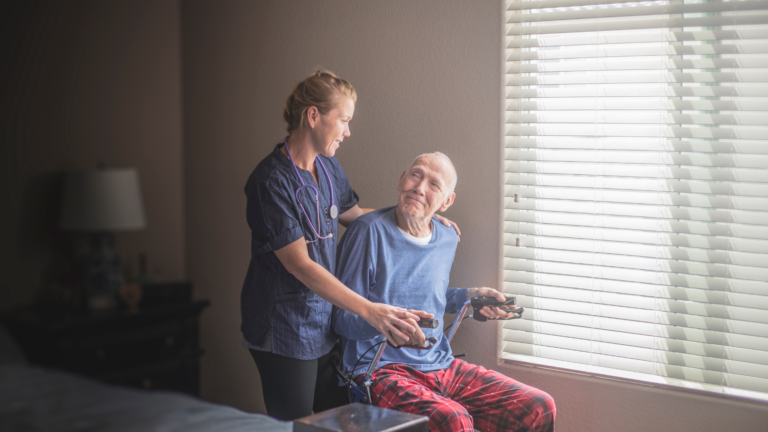
You cannot have an effective end-of-life planning in home care strategy without the paperwork of peace. These legal documents ensure that the medical team and family are legally bound to follow the senior’s wishes.
An Advance Directive is a general term for several different documents:
Perhaps the most important step is designating a Healthcare Proxy. This is a person chosen to make medical decisions if the senior becomes incapacitated.
Expert Tip: Choose a proxy based on their ability to remain calm under pressure and their willingness to follow your wishes—even if those wishes conflict with their own feelings.
For more information on the legalities of these documents, the American Bar Association provides excellent resources for seniors and their families.
As the body slows down, the spirit often becomes more active. End-of-life planning must include space for the soul—however the individual defines it.
For many, this means connecting with a religious leader or a chaplain. For others, it is secular, involving a deep connection with nature, music, or family history.
The sandwich generation—those caring for children and aging parents—are at high risk for burnout. Comprehensive planning must include respite care. This allows family members to step away for a few hours to rest, knowing their loved one is in the hands of a professional caregiver.
The hardest part of end-of-life planning is starting the conversation. We often avoid it because we don’t want to upset our loved ones or “give up hope.” However, talking about death won’t make it happen sooner—it just makes it less scary.
The Conversation Project offers free starter kits that are incredibly helpful for breaking the ice with sensitive family members.
To ensure nothing is missed, follow this step-by-step framework for end-of-life planning in home care:
[ ] Identify the Care Team: Include the primary doctor, a home care agency, a palliative specialist, and family members.
[ ] Complete Legal Paperwork: Sign the Living Will and designate a Healthcare Proxy. Provide copies to the home care agency.
[ ] Home Assessment: Ensure the home is equipped for end-of-life care (hospital bed, oxygen access, fall prevention).
[ ] Medication Review: Establish a clear protocol for pain management and symptom relief.
[ ] Spiritual/Legacy Planning: Identify who will provide emotional support and what rituals are important.
[ ] Emergency Protocols: Clearly state if the goal is to avoid the hospital. Ensure a DNR is prominently displayed if one exists.
End-of-life planning is not a one-time event; it is a fluid, ongoing conversation. As health changes, so too might a senior’s wishes. By reviewing the plan regularly, you ensure that the care remains perfectly aligned with the heart of the person receiving it.
At the end of the day, home care is about living well until the very end. It is about the comfort of a familiar pillow, the sound of a loved one’s voice in the kitchen, and the peace of knowing that everything is handled.