
The turning of the calendar often brings a sense of pressure to “reinvent” ourselves. For many seniors, however, the typical New Year’s resolutions—marathon training or restrictive dieting—feel disconnected from the realities of aging. The Problem is that as we age, our bodies and minds require a different kind of maintenance, and the standard “hustle culture” advice can lead to frustration or even injury.
The Agitation comes when you realize that neglecting these specific needs can lead to a loss of independence, increased fatigue, and a declining sense of purpose. It’s disheartening to feel like your “best years” are dictated by a pillbox or a fear of falling. You want to enjoy your grandchildren, travel, and stay active in your community, but you aren’t sure where to start without feeling overwhelmed.
The Solution is a shift in perspective. Instead of radical overhauls, the most successful senior health goals for the New Year are built on small, sustainable habits that prioritize longevity and joy. This comprehensive guide will walk you through the essential pillars of senior wellness, providing a roadmap for a healthier, more vibrant 2026.
As we age, our metabolism slows down, but our need for high-quality nutrients actually increases. This makes senior nutrition one of the most critical factors in maintaining energy levels and immune function.
A well-balanced diet isn’t about deprivation; it’s about giving your body the tools it needs to repair itself. Focus on incorporating a colorful variety of foods that provide a broad spectrum of antioxidants and minerals.
Did you know that the thirst mechanism naturally weakens as we age? This means seniors are often dehydrated before they even realize they are thirsty. Staying hydrated is crucial for cognitive function, skin elasticity, and kidney health.
To make hydration easier, try keeping a reusable water bottle nearby at all times. If plain water feels boring, infuse it with slices of lemon, cucumber, or mint. Additionally, incorporate eating your water by consuming water-rich snacks like watermelon, celery, and oranges. According to the National Institute on Aging, proper fluid intake also helps prevent common issues like urinary tract infections and constipation.
How you eat is just as important as what you eat. Mindful eating encourages a better relationship with food and helps prevent the discomfort of overeating.
Limit Processed Foods: Highly processed snacks are often hidden sources of excessive salt and sugar, which can spike blood pressure and cause energy crashes.
Physical activity is the closest thing we have to a magic pill for aging. The goal of low-impact exercises for seniors isn’t to look like a bodybuilder; it’s to maintain the strength and balance required for daily independence.
The Mayo Clinic recommends that seniors aim for at least 150 minutes of moderate-intensity activity per week. This can be broken down into manageable 20-minute sessions.
Before jumping into a new routine, it is vital to consult a doctor. A healthcare professional can help you tailor an exercise plan that accounts for any pre-existing conditions, such as arthritis or heart disease. They can also recommend a physical therapist if you need specialized guidance on improving your gait or posture.
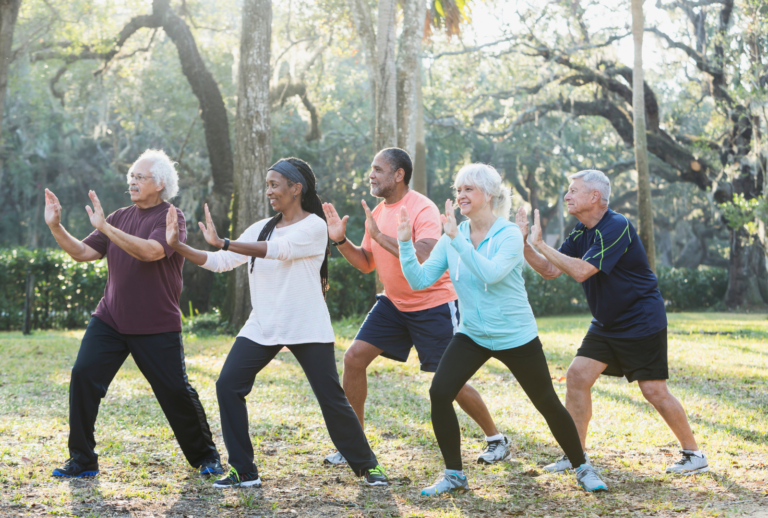
Health isn’t just physical. Mental wellness for the elderly is a pillar that supports everything else. Loneliness and cognitive decline are significant hurdles, but they are not inevitable parts of aging.
Isolation can be as detrimental to health as smoking 15 cigarettes a day. Creating strong social connections is one of the most rewarding health goals you can set this year.
Consider joining a local book club, participating in art classes at a senior center, or even engaging in volunteer work. Giving back to the community provides a powerful sense of purpose that can stave off depression. If mobility is an issue, technology—like video calls with grandchildren—can bridge the gap and keep you feeling connected to the people you love.
Chronic stress can take a heavy toll on the aging immune system. Incorporating mindfulness practices like meditation or deep-breathing exercises can lower cortisol levels and improve sleep quality.
If you’re new to meditation, there are many user-friendly apps, such as Headspace or Calm, that offer guided sessions specifically for relaxation. Even five minutes of quiet reflection each morning can set a positive tone for the rest of your day.
Keep your brain plastic by challenging it daily. Cognitive stimulation is like a workout for your neurons.
Reading: Make it a goal to read for 30 minutes every day. This improves vocabulary and provides a healthy escape for the imagination.
Waiting for symptoms to appear before seeing a doctor is a reactive strategy. To truly embrace healthy aging tips, you must become a proactive advocate for your own health.
Think of your annual physical as a high-level strategy meeting with your doctor. It’s the perfect time to discuss your goals for the year and adjust any long-term health plans. During these visits, ensure you are staying up-to-date with:
Taking multiple prescriptions can be confusing and dangerous if not managed correctly. Use a pill organizer and keep a current list of all medications (including supplements) in your wallet. Always review medications with your pharmacist to check for potential drug interactions, especially when considering over-the-counter options.
You cannot achieve your health goals if your environment is working against you. Home safety for seniors is about future-proofing your space so you can continue aging in place comfortably.
According to the CDC, one in four older adults falls each year. Most of these accidents happen at home.
Check your smoke detectors every month and replace batteries annually. It’s also wise to have a fire extinguisher in the kitchen and a clear, practiced escape plan. If you live alone, consider a wearable medical alert device that can call for help even if you can’t reach a phone.
As you move through 2026, remember that perfection is not the goal—consistency is. Incorporating these additional tips for seniors can round out your wellness journey:
If you find that managing these goals alone is becoming difficult, don’t hesitate to consider home care services. Professional caregivers can assist with meal preparation, medication reminders, and transportation to exercise classes, allowing you to focus on living your life to the fullest.
Setting health goals is an act of self-love. Whether you start by drinking one extra glass of water today or scheduling that overdue eye exam, every small step counts toward a more vibrant future.
Are you ready to make 2026 your healthiest year yet? If you or a loved one could use a helping hand in reaching these goals, our team is here to support you with personalized care and companionship.